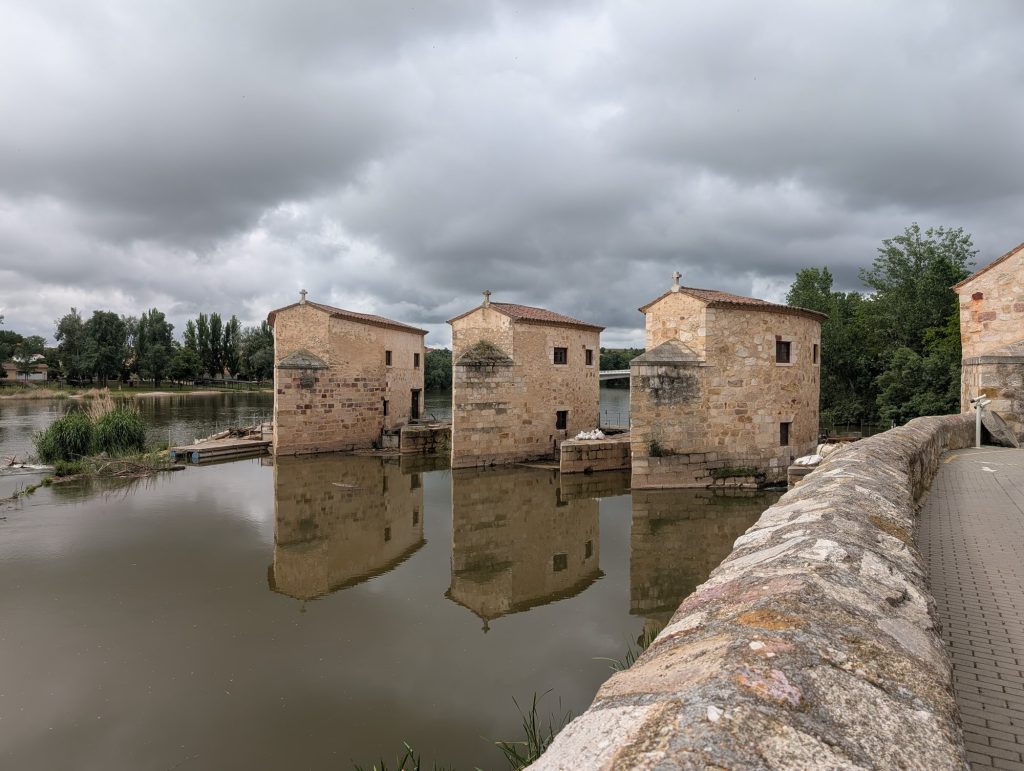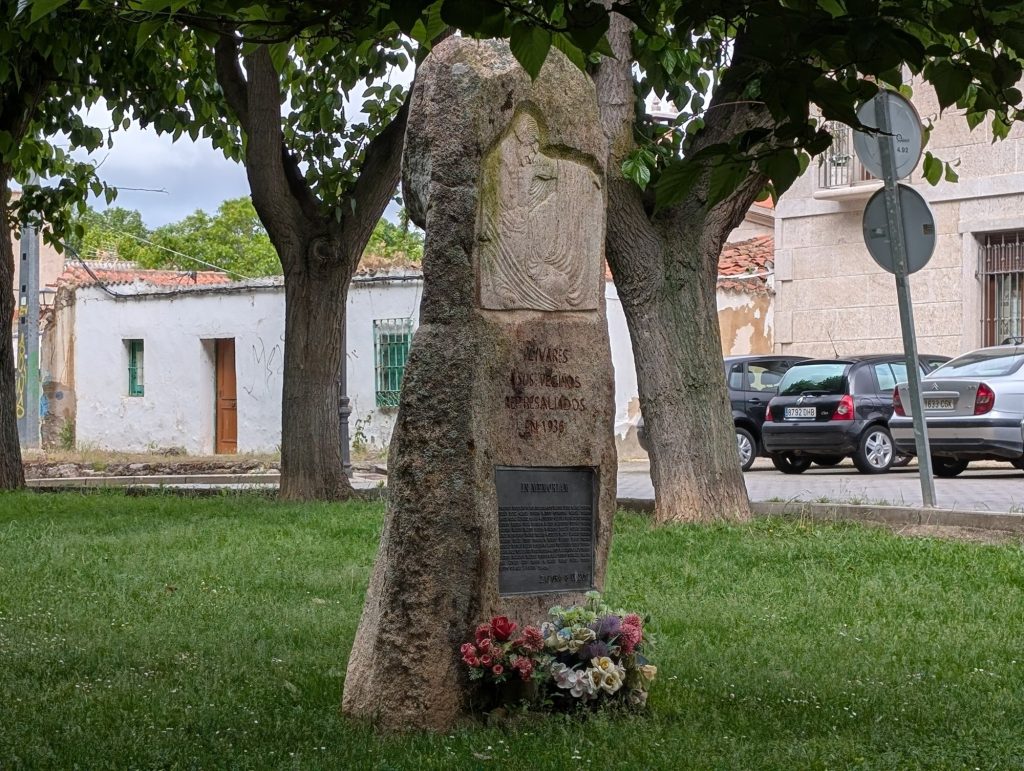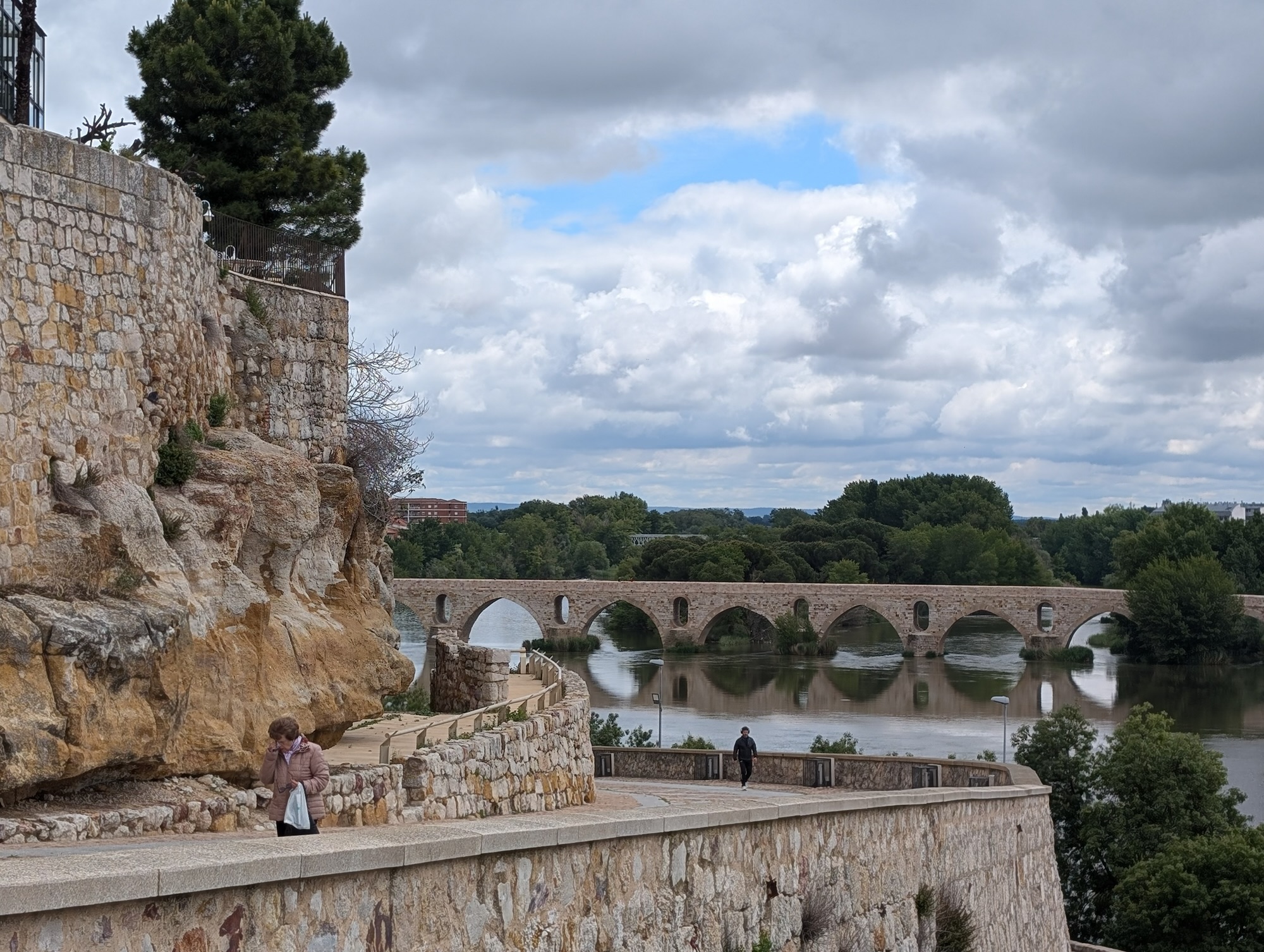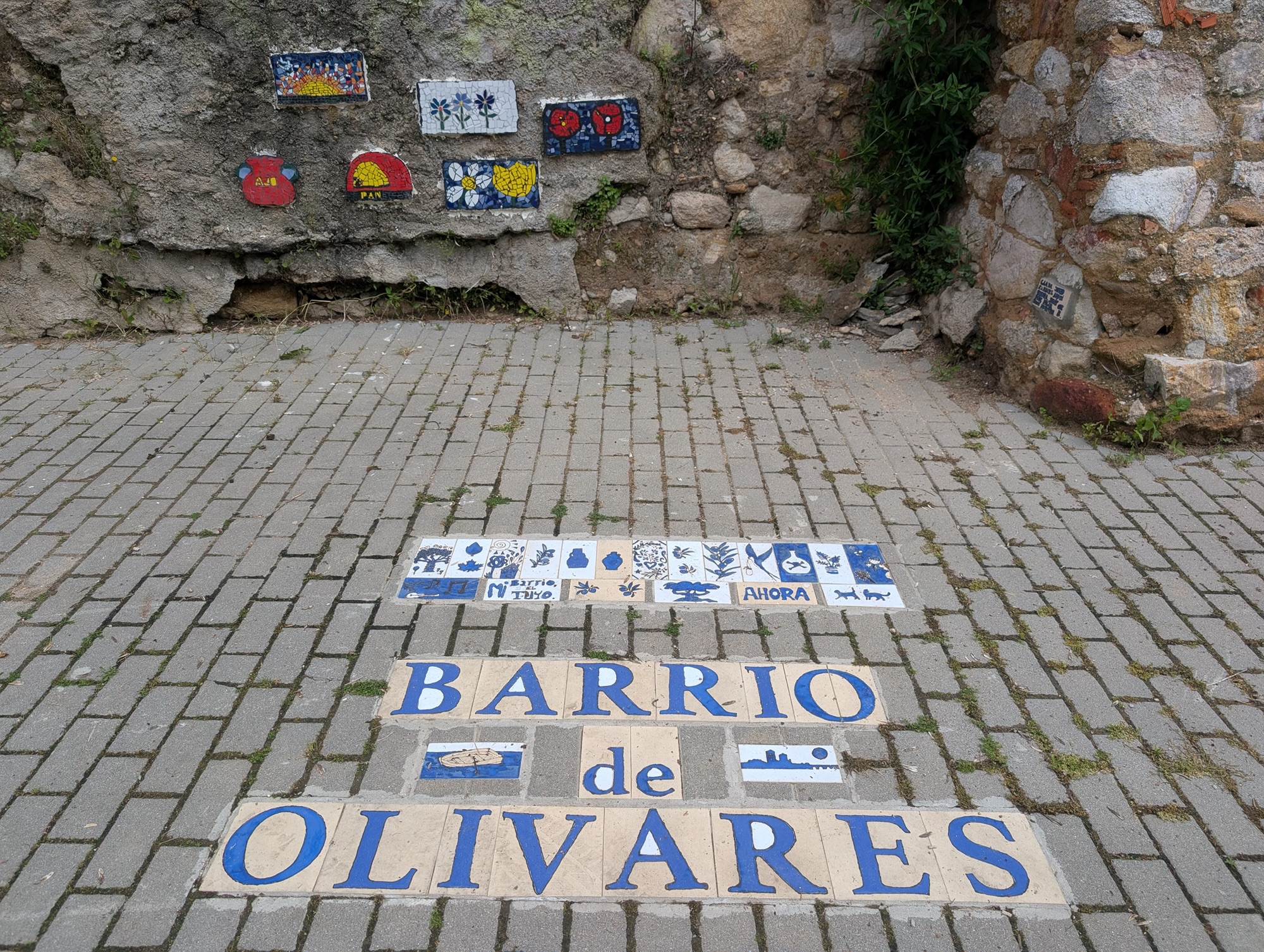
Today we were walking in a neighborhood called “Barrio de Olivares” which means “Neighborhood of Olive Groves.”
The word barrio means neighborhood. I remember being surprised when I first learned that that word means any neighborhood, not a slightly poor Hispanic neighborhood as we use the term in New Mexico. I first heard that term when I lived in Santa Fe.
I might have done a post like this in a blog in years past so if this is a repeat, please forgive me. It’s a topic that I find really interesting: Spanish words that we English-speakers know that have a very specific meaning when we use them but the meaning is much more general in Spanish. I know these type of words show up in all languages. For example, I think chef means any kind of boss in French, not just the head cook. (Correct me if I’m wrong, French-speakers out there.)
I’ve been collecting such Spanish words. This is the list of some of these. Can you think of others?
Arroyo: stream (of any kind) in Spanish, not just a dry gully like we have in the southwest
Barrio: neighborhood (of any kind) in Spanish, not the connotation of “ghetto”
Bodega: cellar (of any kind) in Spanish
Bosque: forest (of any kind) in Spanish, not just the cottonwoods down by the Rio Grande
Caldera: boiler, cauldron (of any kind) in Spanish
Caramelo: candy (of any kind) in Spanish
Conquistador: conquerer (of any kind) in Spanish
Corral: pen, barnyard (any kind of pen) in Spanish
Fiesta: any party, celebration, or feast in Spanish, big or small
Hacienda: estate, ranch, farm, plantation in Spanish
Huevos: when we are in a New Mexican restaurant, this is what we call the breakfast dish “huevos rancheros”. Of course, in Spanish, huevos is eggs in general.
Matador: killer (of any kind, not just of bulls) in Spanish
Mermelada: jam/jelly (of any kind, not just made with oranges) in Spanish
Mesa: means table of any kind in Spanish
Molestar: to bother in Spanish; not the same connotation as “to molest” in English.
Negro: the color black in Spanish (“el negro” could mean the black man but could also mean “the black anything” depending on context.)
Patio: yard or courtyard in Spanish
Pueblo: small town (of any kind) in Spanish. Also means “people”.
Salsa: any kind of sauce or gravy or salad dressing in Spanish, not just the kind you put on tacos
Sombrero: any kind of hat in Spanish, not just the big straw kind with a big brim